Debloating with Fiber: How the Right Superfoods Can Help You Feel Lighter and More Comfortable
Fiber can help reduce bloating when it supports healthy digestion, gut bacteria, and regular bowel movements.
Many people experience bloating after meals, during stressful periods, or as they get older. That uncomfortable feeling of fullness, pressure, or a swollen stomach can make even healthy habits feel frustrating.
The good news is that bloating is often connected to digestive health, and one of the most important nutrients for supporting digestion is fiber.
The key is choosing the right types of fiber and introducing them consistently as part of a balanced routine.
At Kuli Kuli, several of our superfood blends combine fiber-rich ingredients with nutrient-dense moringa and digestive-supporting plants to help nourish your gut from the inside out.

What Causes Bloating?
Bloating happens when gas, food, or fluid builds up in the digestive system.
Common causes include:
-
Eating too quickly
-
Constipation
-
Low fiber intake
-
Digestive sensitivities
-
Hormonal fluctuations
-
Changes in gut bacteria
-
High-sodium diets
-
Stress
For many adults between 30 and 50, digestive changes become more noticeable. Hormones shift, stress levels increase, and gut health may not be as resilient as it once was.
This is why supporting the microbiome—the community of beneficial bacteria living in your digestive tract—becomes increasingly important.
Why Fiber Matters for Gut Health
Fiber feeds beneficial gut bacteria and helps maintain regular digestion.
Unlike other nutrients, fiber is not fully digested by the body. Instead, certain types of fiber become food for beneficial microbes in the gut.
When these bacteria thrive, they produce compounds called short-chain fatty acids that help support digestive comfort and overall wellness.
Benefits of adequate fiber intake include:
-
Supporting regular bowel movements
-
Helping food move efficiently through the digestive tract
-
Feeding beneficial gut bacteria
-
Supporting feelings of fullness
-
Helping maintain healthy blood sugar levels
-
Supporting digestive comfort over time
Not all fiber sources are the same, however. Some combine digestive support with additional nutrients and plant compounds that can help you feel your best.

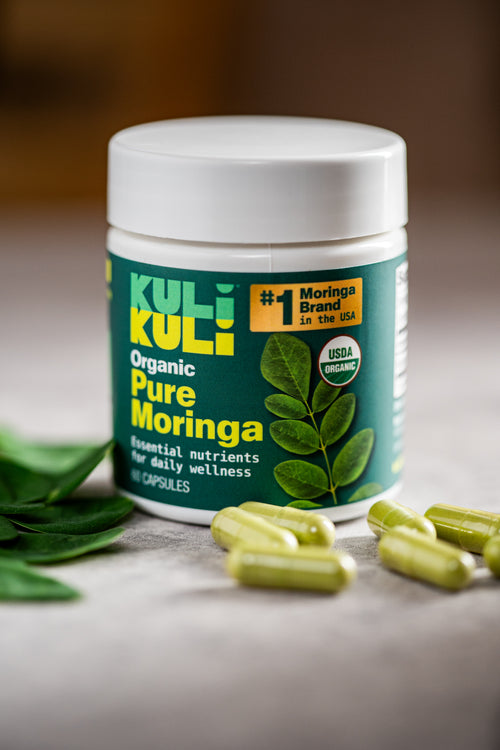
New to Moringa? Here's Why It Matters
Moringa is a nutrient-dense leafy superfood that provides vitamins, minerals, antioxidants, and plant protein.
Often called the "Miracle Tree," moringa contains iron, calcium, potassium, antioxidants, and essential amino acids.
At Kuli Kuli, moringa serves as the nutritional foundation of many products because it provides concentrated plant nutrition without artificial ingredients.
For people focused on digestive wellness, moringa complements fiber-rich ingredients by helping support overall nourishment while you work on building healthier daily habits.
Gut Bliss Superfood Blend: A Daily Ritual for Digestive Comfort
Gut Bliss combines prebiotic fiber and digestive-supporting superfoods to promote regularity and gut balance.

Gut Bliss was specifically designed for people looking to support digestive wellness naturally.
The formula combines:
-
Moringa
-
Baobab
-
Lucuma
-
Ginger
-
Lemon Balm
Why These Ingredients Matter
Baobab naturally contains prebiotic fiber that helps nourish beneficial gut bacteria.
Ginger has been traditionally used to support digestive comfort and may help reduce occasional digestive discomfort.
Lemon Balm is often associated with calming digestive support.
Moringa contributes nutrient-dense plant nutrition that supports overall wellness.
Together, these ingredients create a daily digestive ritual focused on long-term gut health rather than quick fixes.
Easy Ways to Use Gut Bliss
-
Blend into a morning smoothie
-
Stir into juice
-
Add to a wellness shot
-
Mix into a post-workout drink
A simple daily habit can often be more effective than constantly searching for temporary solutions.
Crave Reset Superfood Drink Mix: Fiber That Helps You Feel Satisfied

Crave Reset provides 6 grams of fiber per serving while supporting fullness and digestive health.
Many people do not realize that overeating and bloating can sometimes go hand in hand.
When meals lack fiber, it's often easier to continue snacking or overconsuming foods that may leave you feeling uncomfortable.
How Crave Reset Supports Digestive Wellness
Jerusalem Artichoke is naturally rich in prebiotic fiber that feeds beneficial gut bacteria.
Pineapple contains bromelain, an enzyme that helps support protein digestion.
Moringa and Spirulina provide nutrient-dense greens that help fill nutritional gaps.
With 6 grams of fiber per serving and only 1 gram of total sugar, Crave Reset offers a refreshing way to support satiety while nourishing your gut.
For many people, feeling satisfied between meals can make it easier to maintain healthy eating habits that reduce digestive discomfort.
Lifestyle Tips to Help Reduce Bloating
Fiber works best when combined with healthy daily habits.
Try these simple strategies:
-
Increase fiber gradually
-
Drink plenty of water
-
Eat meals more slowly
-
Stay physically active
-
Limit excess sodium
-
Manage stress levels
-
Prioritize sleep
-
Include a variety of plant foods
Consistency matters more than perfection.
Small changes practiced daily often create the biggest long-term improvements.
Frequently Asked Questions
Will Fiber Help Lower A1C?
Fiber may help support healthy blood sugar management as part of an overall healthy lifestyle.
Soluble fiber can slow digestion and the absorption of carbohydrates, which may help reduce blood sugar spikes after meals.
However, fiber is not a replacement for medical treatment. Individuals with diabetes should work with their healthcare provider to develop a personalized plan.
Can Hormones Cause Bloating?
Yes, hormonal fluctuations can contribute to bloating.
Changes in estrogen and progesterone can affect fluid retention and digestive function. Many women notice increased bloating around menstruation, perimenopause, or menopause.
Because hormones and digestion are closely connected, supporting gut health through fiber, hydration, and balanced nutrition may help improve overall digestive comfort.
Should I Eat More Fiber If I'm Bloated?
Often yes, but gradually.
If bloating is related to constipation or low fiber intake, increasing fiber may help over time.
The important step is to increase fiber slowly while drinking enough water. Suddenly consuming large amounts of fiber can temporarily increase gas and discomfort.
A steady, consistent approach usually produces the best results.
The Bottom Line
Fiber-rich superfoods can help support digestive comfort, regularity, and a healthy gut microbiome.
If you're looking for a natural approach to feeling lighter and more comfortable, products like Gut Bliss Superfood Blend and Crave Reset Superfood Drink Mix provide prebiotic fiber alongside nutrient-dense ingredients like moringa, baobab, pineapple, and spirulina.
And if you're new to moringa, these blends offer an easy introduction to one of the world's most nutrient-dense plants.
Wellness doesn't require complicated routines. Sometimes it starts with a simple daily scoop, a healthier gut, and consistent habits that help you feel your best.